Speak with Confidence: Pre-Interview Voice and Body Presence

Today we focus on voice and body language exercises before interviews, turning nerves into purposeful energy and presence. You will learn warm-ups that strengthen clarity, pace, and posture, with practical steps you can try immediately. Test them, save your favorites, and share results so others can benefit from your discoveries.

Warm Up Your Voice Without Straining

Breath Foundations

Stand tall and let the lower ribs expand on the inhale, feeling air travel low rather than lifting the shoulders. Practice four-count inhalations and six-count exhalations to steady nerves and pace. Add a soft hiss to train breath control without tension or throat pressure.

Gentle Resonance

Hum gently with closed lips and relaxed jaw, letting vibration buzz around the lips and cheekbones. Slide from low to comfortable mid notes to awaken resonance without force. Imagine fogging a mirror to keep airflow warm, smooth, and supported throughout each glide.

Articulation Wake-Up

Massage the masseter and temples, then exaggerate consonants in short tongue twisters to prime clarity. Trace big circles with the tongue behind the lips, releasing stiffness. Finish with crisp T, D, and K bursts on a steady breath, building precision without rushing.


Project Calm Through Posture and Presence

Posture signals credibility before a single word. By aligning spine, shoulders, and head, you communicate calm and readiness. A balanced stance reduces fidgeting and supports breathing. Practice these resets so your presence reads attentive, open, and grounded the moment you enter the room.

Master Pace, Pitch, and Pauses

Speech that breathes holds attention. Adjusting pace, pitch, and pauses lets ideas land clearly while keeping warmth. Controlled variety prevents monotony, showcases enthusiasm, and signals thoughtfulness. Use these drills to calibrate delivery so your answers feel intentional rather than rushed or rehearsed. Share which drill sharpened your delivery and why, so other readers can try it before their next conversation.

Hands, Gestures, and Micro-Expressions

Gestures and expressions should underline meaning rather than compete with words. By channeling movement into purposeful signals, you appear concise and sincere. Preparing small patterns in advance reduces fidgeting and supports clarity. These exercises help translate intention into visible, steady, trustworthy communication.

Camera and Microphone Readiness for Virtual Interviews

Framing and Light

Position the camera at or slightly above eye level, framing from mid-chest to a little space above your head. Face indirect light, avoiding harsh shadows. Place notes behind the camera if needed. Your eyes will read engaged, and gestures will remain visible.

Mic Check with Diction

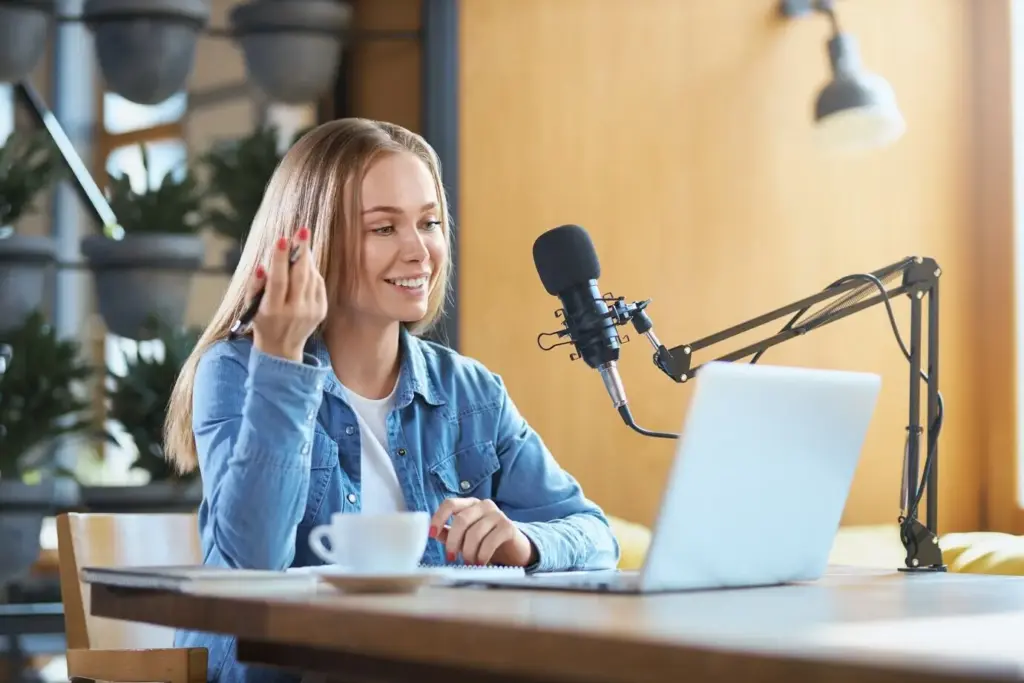
Record a quick introduction and listen for volume, plosives, and room echo. Adjust distance, angle, or pop filter until consonants sound crisp without hiss. Pair this with slow tongue twisters to confirm clarity, keeping jaw relaxed and breath steady between phrases.

On-Screen Posture Cues

Place a sticky note that says shoulders down near the lens and another that says breathe on your monitor edge. These visual reminders guide alignment during long answers. Review recordings, removing tics, and simplifying movements that read exaggerated within tight framing.

Anxiety Downshifts You Can Do in Minutes

Nerves are natural, yet controllable with brief, targeted resets. These techniques lower cognitive noise and free attention for listening. Practice them days before, then again moments prior. The more familiar they become, the faster your system returns to clarity, steadiness, and connection.

Box Breathing Plus

Inhale for four, hold for four, exhale for six, hold for two. Visualize drawing a square with each phase. After three cycles, add a whispered vowel on the exhale to prime resonance. The pattern is discreet, quick, and reliably grounding under pressure.

Progressive Release

Starting at the toes, tense gently for three counts, then release on a long exhale, traveling up through calves, thighs, abdomen, and shoulders. Finish with unclenched jaw and softened tongue. This sequence diffuses adrenaline without visible movement, ideal in waiting areas.
Zekavizoketezatolilivi
Privacy Overview

This website uses cookies so that we can provide you with the best user experience possible. Cookie information is stored in your browser and performs functions such as recognising you when you return to our website and helping our team to understand which sections of the website you find most interesting and useful.